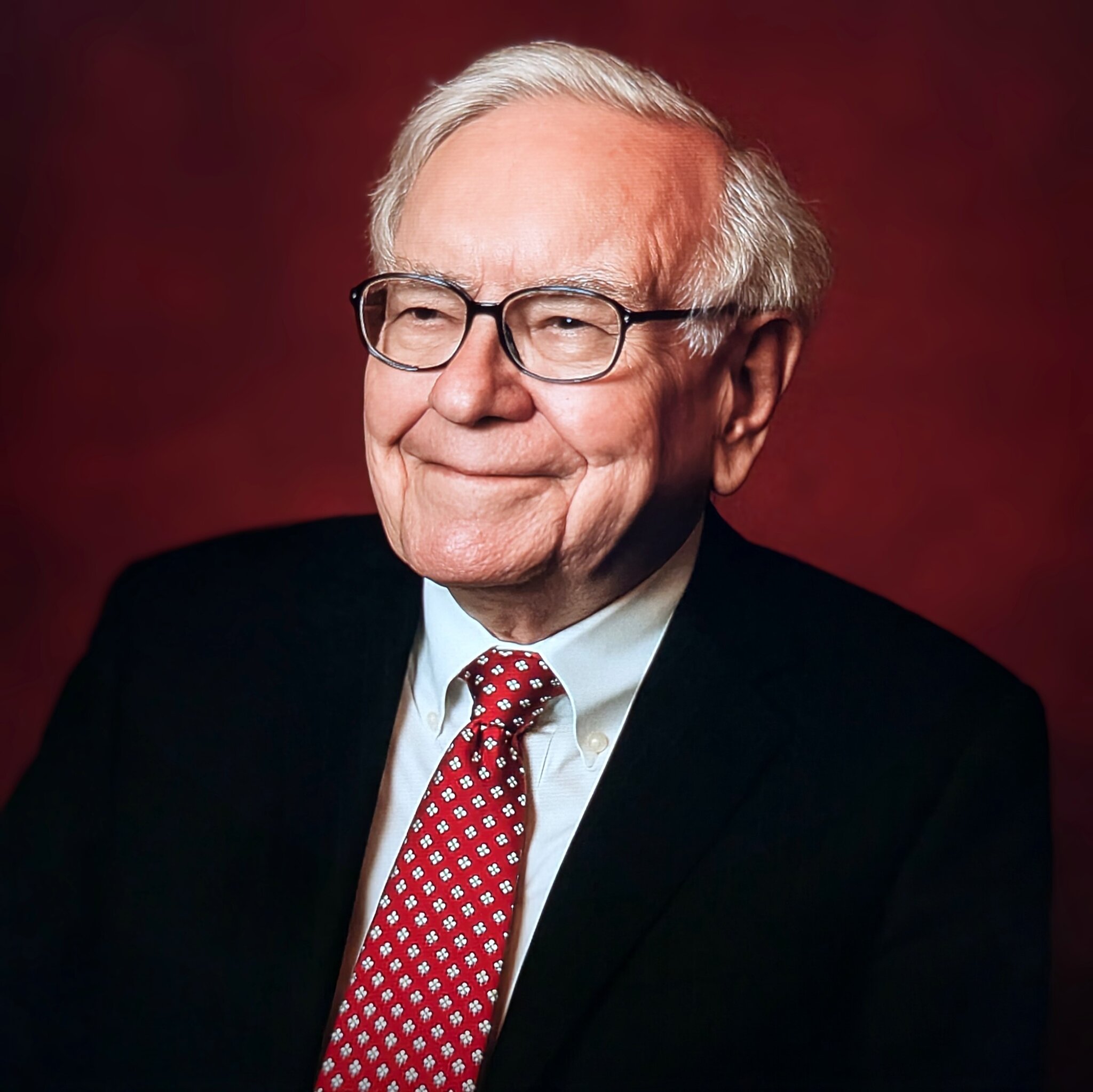
Deep Dive: The End of an Era, Warren Buffett Steps Down as Berkshire Hathaway Chairman
On Friday, September 18, 2026, Warren Buffett closed a chapter that started before most of his current shareholders were even born. At 96 years old, the "Oracle of Omaha" stepped down as chairman of Berkshire Hathaway, a role he'd held since 1970, becoming chairman emeritus while his son Howard takes over. Here's what actually happened, the numbers behind why this matters, and what it says about how the best investor in modern history planned his own exit.
What Actually Happened
Buffett announced the move in a letter to shareholders, effective immediately. His own words: "Father Time always wins. He has, however, been generous with me." He remains a director on Berkshire's board, but hands the chairman title to his son Howard Buffett, who has served on Berkshire's board since 1993, 33 years of institutional knowledge before ever taking the seat.
This isn't a sudden move. Buffett had already stepped down as CEO at the end of 2025, handing that role to Greg Abel, a veteran Berkshire executive who Buffett had been grooming as his successor for years. Friday's announcement was the second, final piece of a long-planned three-way succession.
The Track Record That Makes This a Genuine Historic Moment
The numbers here are almost hard to believe. Since Buffett began using Berkshire Hathaway as his primary investment vehicle in the 1960s, the company's share price rose more than 5,500,000%. Over that same stretch, the S&P 500, one of the best-performing broad market indices in the world, returned about 39,000%. Buffett's compounded annual return sits at 19.7%, nearly double the market's own return over the same period.
To put that in perspective: he took over what was originally a struggling Massachusetts textile company and built it into a conglomerate spanning BNSF Railway, GEICO, See's Candies, Duracell, Benjamin Moore, Fruit of the Loom, and Dairy Queen, worth roughly $1 trillion today.
The Succession Structure Is the Real Story
What's genuinely interesting here isn't just that Buffett stepped back, it's how he split the job on the way out. In his own words: "Greg runs the company; Howard will guard its culture and values, both worth more than anything on our balance sheet." He went further, describing his son's role almost like an insurance policy: "Think of Howard as a policy the shareholders own and hope never to claim against."
That's a deliberate three-way division of labor:
Greg Abel (CEO): runs day-to-day operations and capital allocation decisions
Howard Buffett (Chairman): protects the culture and values, with the implicit authority to intervene if the company ever drifts from what made it successful
Warren Buffett (Chairman Emeritus): stays on the board, remains a shareholder, but steps back from active control
Buffett explicitly praised Abel's performance so far: "My expectations for him were sky high from the start, and he has exceeded them." That's a strong, public vote of confidence right as the market is still watching closely to see if Abel can replicate Buffett's specific talent for deploying capital.
The Market's Verdict So Far Is Genuinely Mixed
Berkshire's stock is up just 1% in 2026, while the S&P 500 has rallied more than 11% over the same period. That underperformance is being attributed to rising oil prices and investors currently favoring higher-growth parts of the market, but there's also a more direct read: shareholders are still waiting to see whether Abel can deploy Berkshire's capital as skillfully as Buffett did for six decades.
One concrete data point in Abel's favor: Berkshire is sitting on a $365.5 billion cash hoard, and Abel has already started putting some of it to work, stepping up share buybacks to $4.5 billion in the second quarter alone.
A Buffett Story Worth Knowing, Even Beyond This Week
Buffett has openly admitted his biggest investing regrets came from being too cautious, not too aggressive. He's said he "made a mistake" not investing in Google earlier; that position, once finally taken, is now worth over $27 billion and ranks as Berkshire's fifth-largest holding. He made a nearly identical admission about Apple, he said in 2012 he wished he'd bought shares of the iPhone maker sooner. When Berkshire finally did start buying Apple in 2016, it grew into the largest single holding in Berkshire's entire portfolio.
There's a genuinely good story behind that Apple position too: Buffett once advised Steve Jobs directly on capital allocation, when Jobs asked what to do with Apple's growing cash pile, Buffett suggested a share buyback program. Apple started buying back its own stock not long after.
Why This Matters for Traders, Even Short-Term Ones
Buffett's entire philosophy is built on the opposite timeframe from the signals and setups covered on our desks daily, he held positions for decades, not hours or days. But the lesson underneath his track record still applies directly to disciplined trading: consistency compounds. A 19.7% annual return doesn't sound dramatic on any single day, but sustained across six decades, it becomes one of the greatest wealth-building records in financial history. Whether you're holding a position for three days or thirty years, the same principle holds: it's discipline and consistency over time that separates real results from noise.